
Free masterclass · Season 3 — Due Diligence · Live online & in Laval
Season 3 — Due Diligence · Masterclass 2

The Inspection Process Most Investors Get Wrong

A property doesn't have to be perfect to be a great investment. But you need to know exactly what you're getting into before you buy.

Free US Real Estate Investing Masterclass

Kyle and Janie, co-founders of JK Real Estate Partners, standing in an event room in front of the JK logo
Live online · Free November 12, 2026 7:00 PM ET · Zoom
In person · Laval, QC December 4, 2026 7:15 PM ET · Address sent before the event
You've found a property

You're finally one step closer to owning another investment property.

  • The numbersLook promising
  • The priceNegotiated
  • Your offerAccepted by the seller
And then

Then comes the inspection.

Suddenly, you're hearing about:

  • Roof issues
  • Plumbing concerns
  • Electrical problems
  • Foundation cracks
  • Repairs you weren't expecting

For many investors, this is where excitement turns into uncertainty.

They start wondering
  1. 01Worth it?“Is this property still worth buying?”
  2. 02Repairs?“Should I ask the seller to fix everything?”
  3. 03Risk?“Am I about to walk into an expensive mistake?”
And sometimes

They make one of two costly decisions —

They walk away from a perfectly workable investment because the inspection revealed problems they didn't know how to evaluate.

Or they ignore important findings because they're too emotionally invested in closing the deal.

Both mistakes can cost you money

Professional investors approach inspections differently.

They don't expect every property to be perfect. They understand that inspections are an opportunity to uncover the property's actual condition, evaluate potential risks, and make better decisions before closing.

In this masterclass

You'll learn how experienced investors use inspections strategically, interpret the findings, negotiate from a position of knowledge, and decide whether a property is still worth pursuing.

Because the goal isn't to find a property with zero problems.

It's to understand the problems well enough to know whether the investment still makes sense.

The myth The belief that costs investors opportunities

Inspections exist to kill deals.”

Many investors approach inspections with the wrong mindset.

  • 01They assume that if an inspector finds problems, the deal is falling apart.
  • 02They see a list of repairs and immediately think they've made a bad investment decision.
  • 03Others become so focused on keeping the deal alive that they overlook findings that could seriously affect their returns.

But here's what professional investors understand

A property inspection doesn't automatically make a deal good or bad.It gives you information to make that decision.

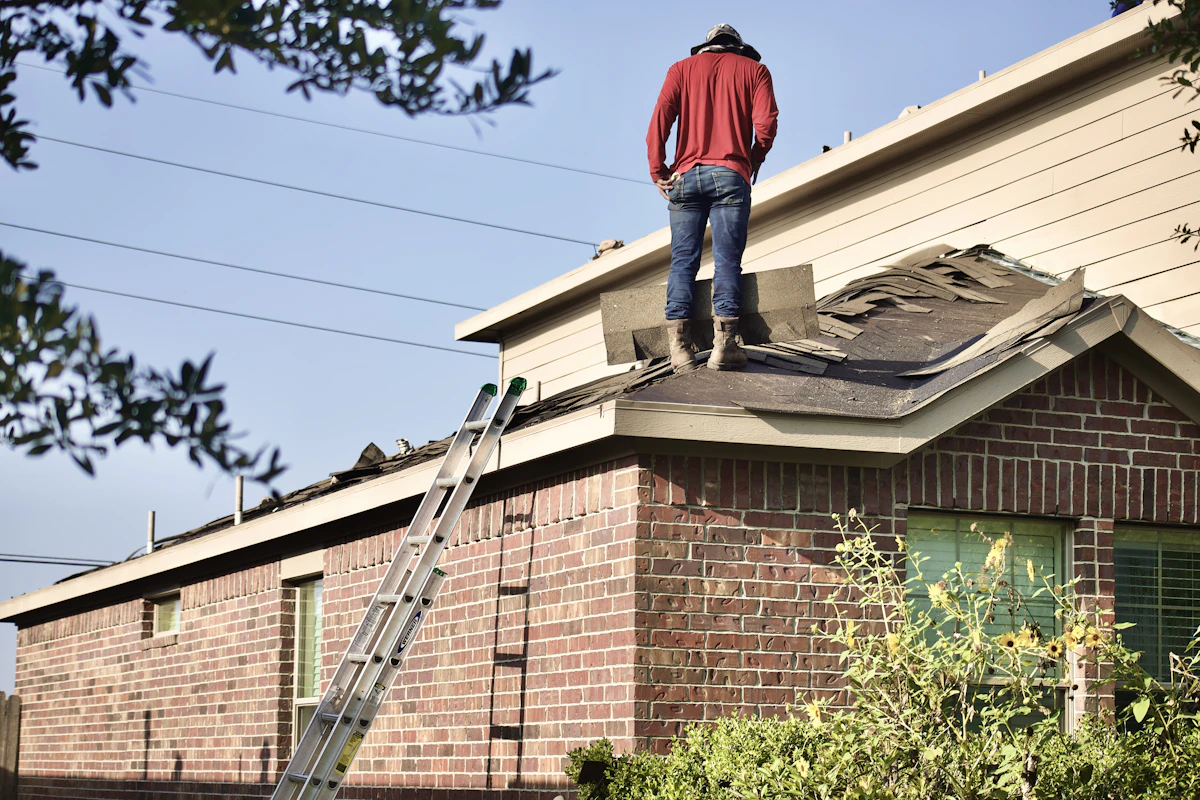
A roofer standing on a brick house's roof next to a ladder, checking damaged shingles
01A roof that needs replacingisn't necessarily a reason to walk away.
Close-up of a chrome bathtub faucet and shower hose
02A plumbing issueisn't automatically a deal-breaker.

And a clean inspection report doesn't guarantee that every aspect of the investment is sound.

What matters is understanding what the findings mean financially, operationally, and strategically.Without that understanding, you're simply reacting to a report instead of making an investment decision.

The mindset shift

Inspections exist to reveal reality.

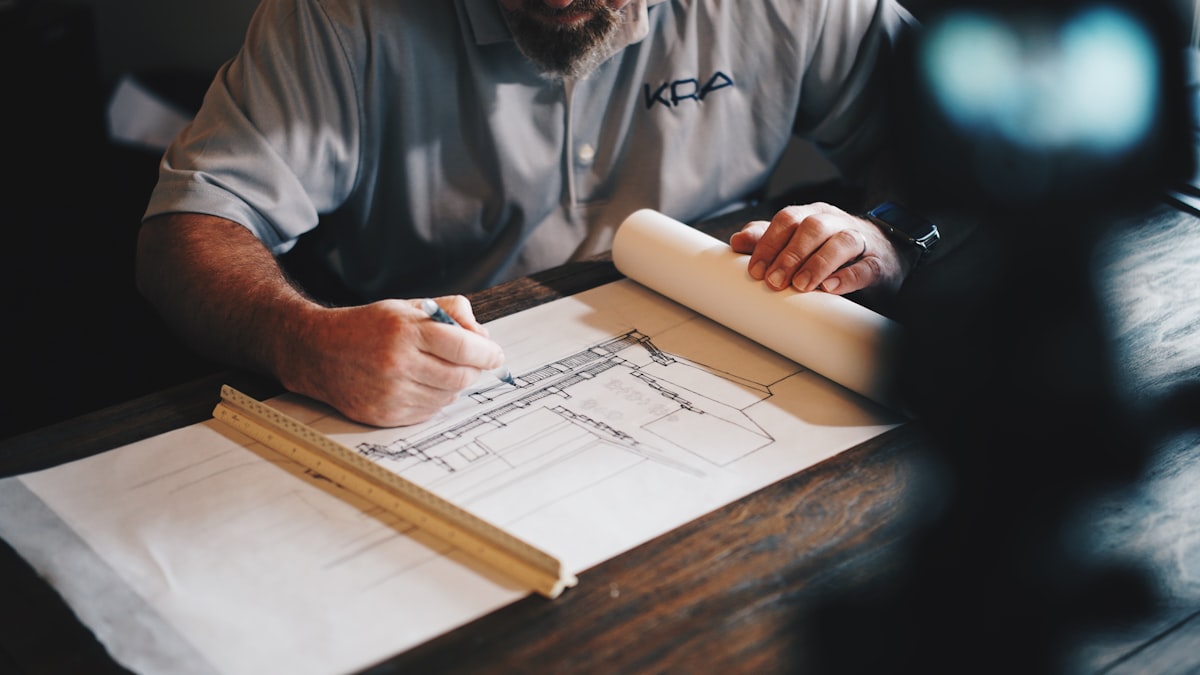
A man at a wooden table marking up a set of building plans with a pencil

Professional investors don't buy properties expecting everything to be perfect.

They buy with a clear understanding of what they're getting into.

They use inspections to uncover potential problems, evaluate repair costs, identify safety concerns, and determine whether the property still meets their investment criteria.

They know that information creates leverage. It can help them:

  • Renegotiate the purchase price.
  • Request repairs or concessions.
  • Adjust their renovation budget.

Or decide that walking away is the smartest financial move.

What it isn't

An inspection report isn't a list of reasons to walk away.

What it is

It's a roadmap for making a smarter investment decision.

That's the difference between an investor who reacts emotionally and one who makes decisions strategically.

What you'll learn in this masterclass

What Inspections Are Actually For

A property inspection is more than someone walking through a house and handing you a list of things that need fixing.

It's an opportunity to better understand the property's physical condition and identify issues that could affect your investment.

You'll learn why inspections matter, what they help uncover, and how they fit into your overall due diligence process.

The outcomeStop viewing inspections as an obstacle and start seeing them as an essential part of protecting your investment.

What Inspectors Do (And What They Don't Do)

One of the biggest mistakes investors make is assuming a property inspector will identify every possible problem.

But inspectors have a defined scope. A general home inspection is not the same as a specialized evaluation of every system, structure, or potential environmental concern.

You'll learn what a typical inspection covers, where its limitations are, and when you may need additional evaluations from qualified specialists.

The outcomeUnderstand what an inspection report can tell you, what it cannot guarantee, and when you need to investigate further.

How Investors Use Inspections Strategically

Experienced investors don't simply receive an inspection report and react to every item on the list.

They look at the findings in the context of the entire investment. They consider the severity of the issue, potential repair costs, safety implications, and how the findings affect the original numbers.

You'll learn how to evaluate inspection findings without losing sight of the bigger investment picture.

The outcomeDevelop the ability to distinguish between manageable repairs and problems that could fundamentally change the deal.

How To Negotiate After an Inspection

Finding problems doesn't automatically mean you need to walk away. Sometimes, it creates an opportunity to renegotiate.

Depending on the contract and applicable terms, inspection findings may give you grounds to request repairs, negotiate a price reduction, seek a seller credit, or reconsider the agreement.

You'll learn how investors approach these conversations and use inspection findings to make more informed negotiations.

The outcomeStop treating inspection findings as bad news and start understanding how they can influence your negotiating position.

When To Move Forward

Not every property needs to be perfect to be a good investment.

Some repairs are manageable. Some issues are already reflected in the purchase price. Others can be addressed within your renovation budget.

The important thing is knowing whether the property still makes financial and strategic sense after considering what the inspection revealed. You'll learn how to evaluate the findings, reassess the numbers, and determine when moving forward is a reasonable decision.

The outcomeGain greater confidence in moving forward when the facts support the investment.

When To Walk Away

Sometimes, the smartest investment decision is not making the investment at all.

Major structural concerns, serious safety issues, unexpected repair costs, or problems that fundamentally change the economics of a deal may make walking away the better option.

You'll learn why experienced investors don't become emotionally attached to properties and how to recognize when the risks outweigh the potential returns.

The outcomeDevelop the discipline to walk away from an opportunity that no longer makes sense instead of forcing a deal to work.

The real transformation

From fearing what an inspection might reveal to knowing what to do with what it uncovers.

Before

You get an inspection report.

You see a long list of problems.

You start questioning the entire investment.

You don't know which repairs are serious, which are manageable, or whether you should negotiate or walk away.

You feel like the inspection is standing between you and your investment.

After

You receive an inspection report.

You know how to approach the findings.

You understand what deserves immediate attention, what requires further investigation, and what can potentially be addressed through negotiation.

You know how to reassess the investment and make a decision based on the facts — not fear or excitement.

You're no longer afraid of what an inspection might uncover because you understand how to use that information to make a better decision.

That's how professional investors protect their money while keeping their emotions out of the deal.

The best investors don't look for perfect properties.They know how to evaluate imperfect ones.

Think about it

Two ways investors lose control of the deal.

Expecting perfection

If you expect every investment property to be flawless, you'll likely eliminate opportunities that could still make financial sense.

Ignoring every problem
  • But if you ignore every problem just to get a deal closed, you could expose yourself to expenses and risks you never planned for.

Neither approach puts you in control.

The real advantage comes from knowing how to evaluate what you're buying.

A property with repair needs might still be a great opportunity at the right price.

A property that looks move-in ready might still have issues that change the entire investment.

It's not about whether a property has problems. It's about whether you understand them, can account for them, and know what to do next.

What you'll walk away with

By the end of this masterclass, you'll understand:

  • What property inspections are actually designed to uncover.
  • What inspectors do and what falls outside their scope.
  • How to evaluate inspection findings from an investor's perspective.
  • How to distinguish manageable repairs from potential deal-breakers.
  • How to use inspection findings strategically during negotiations.
  • When to renegotiate, move forward, or walk away.
  • How to make investment decisions based on facts instead of emotions.

Stop fearing what an inspection might reveal.Start using it to make better investment decisions.

  1. 01You worked hard to find the opportunity.
  2. 02You analyzed the numbers.
  3. 03You negotiated the purchase.

Now it's time to understand exactly what you're buying.

Don't let fear make you walk away from an opportunity that still makes sense. And don't let excitement convince you to close on one that doesn't.

Season 3 — Due Diligence · Masterclass 2

Learn how to use inspections as a strategic tool, protect your investment decisions, and approach your next purchase with greater clarity and confidence.

Join us for Masterclass 2 of Season 3 — Due Diligence and discover how professional investors turn inspection findings into better decisions.

Live online · FreeNovember 12, 20267:00 PM ET · Zoom
In person · Laval, QCDecember 4, 20267:15 PM ET
Season 3 — Due Diligence · Masterclass 2

Choose how you'd like to join us.

Online · Free

Live on Zoom

Thursday, November 12, 2026 · 7:00 PM ET
Join from anywhere and learn how professional investors use inspections to uncover a property's real condition, negotiate from knowledge, and decide whether the deal still makes sense.
★ Limited seats In person · Laval, QC

Live in Person

Friday, December 4, 2026 · 7:15 PM ET
Connect with fellow real estate investors, build valuable relationships, and meet Janie and the JK Real Estate Partners team in person. Learn together, share insights, and grow your network with investors who are on the same journey as you.

Don't let a repair list scare you away from a great deal.And don't let a great deal blind you to serious problems.

Learn to recognize the difference.

Season 3 — Due Diligence · Masterclass 2

Inspections don't create problems.They reveal them.

And the more you know about what you're buying, the better positioned you are to decide what happens next.

JK Real Estate Partners